
Fleet-Wide, Proactive Soiling Mitigation:
Unlock More Profit From Solar Assets
Boost annual profit by
$1,000–$4,000 per MW
with our optimized cleaning schedules
Across 15+ GW, we are helping IPPs and utilities...
- Optimize operations & maintenance spending and annual budgets
- Reduce engineering and technician time spent on soiling mitigation
- Improve confidence in sources of underperformance
Site-specific soiling, accurately modeled in any region
Our comprehensive approach allows us to tune models regardless of the soiling source.
- 1
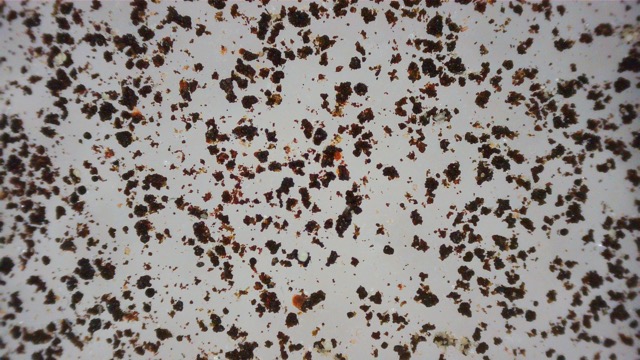
Dusty Soiling
During dry spells, wind-blown dust particles and pollutants deposit on the panel surface. The rate of deposition varies by season and is highly site-specific. Removal by wind and rain patterns creates a need for seasonally optimized cleaning schedules.

Microscope image of a dusty site in Central Valley, California. - 2
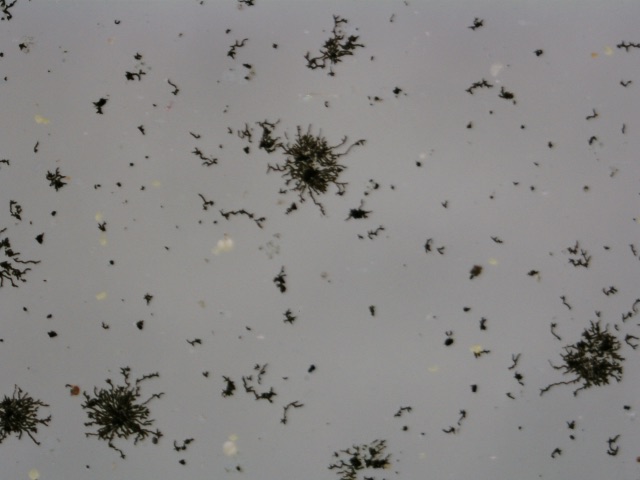
Bio-Soiling
An ecosystem of microorganisms lives and thrives on panels in rainy regions. Different genera of black fungus form melanin to protect themselves from UV radiation, and that melanin also blocks light from reaching solar cells.
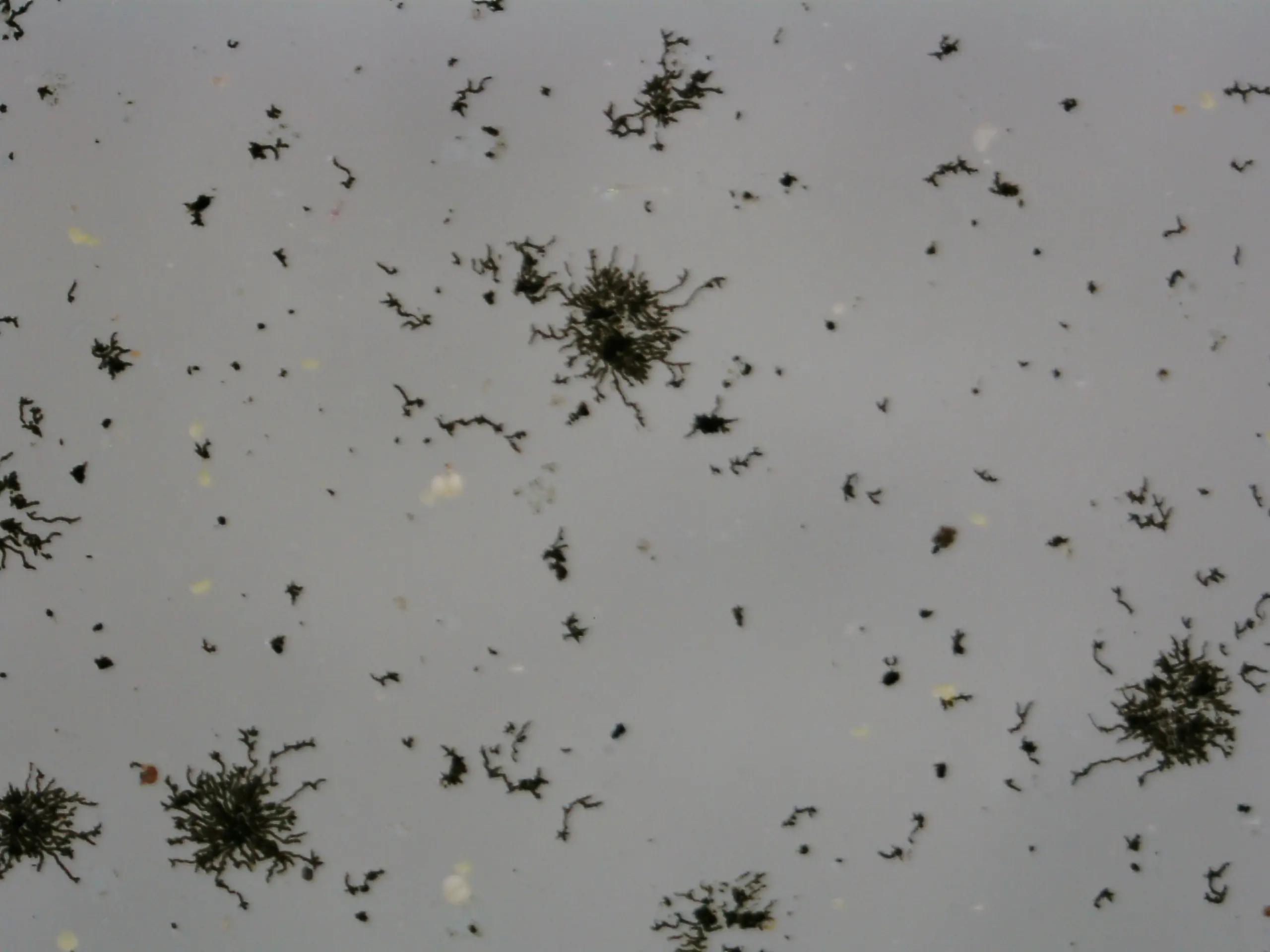
Microscope image of biological growth on a panel surface in Texas. - 3
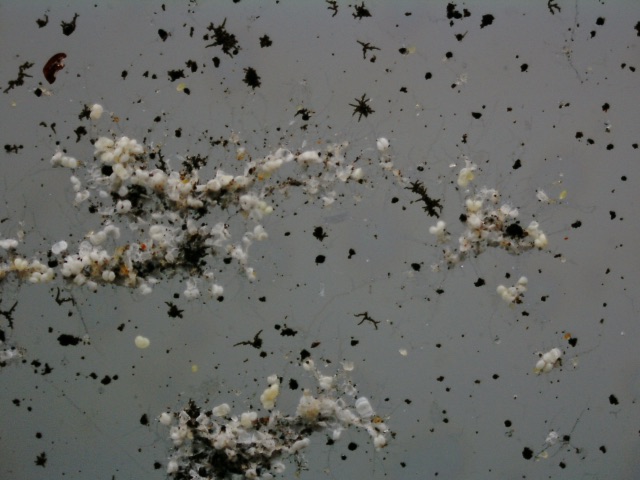
Fungal + Pollen Soiling
Pollen deposition can be extreme and nonuniform across a site. While pollen is often removed by rainfall, it may act as a nutrient source for the subaerial biofilms and cause increased soiling losses during pollen season.
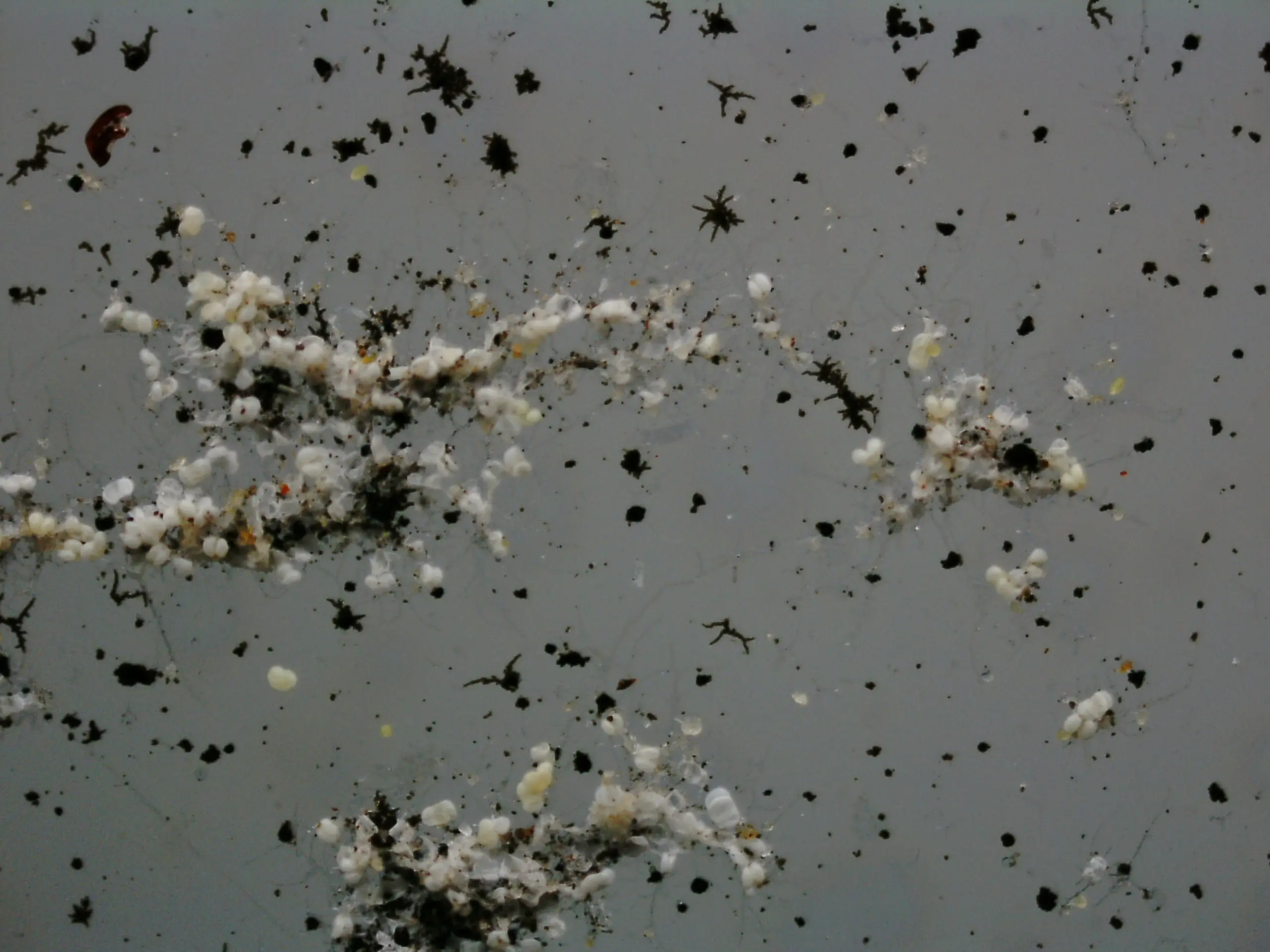
Microscope image of the interaction between fungal growth (dark particles) and pollen (light particles) on a site in Central Virginia. - 4
Extreme Fungal Soiling
High humidity and abundant carbon sources can lead to double-digit soiling losses from fungal growth in as little as two years. Growth can be uniform across the panel surface or build up at the edge of panels and accelerate panel degradation.
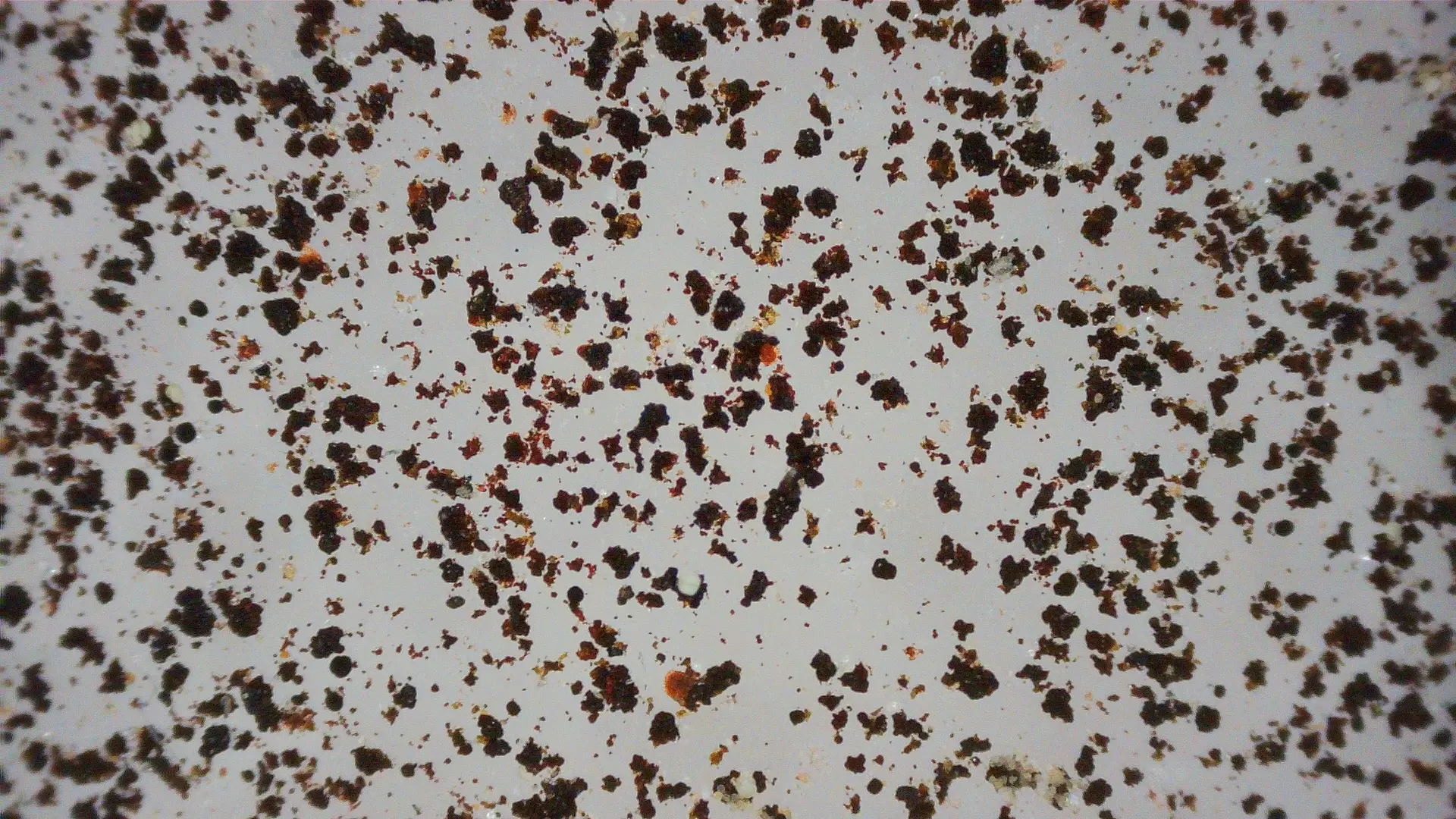
Microscope image of heavy fungal growth on a site in Northern Florida. - 5
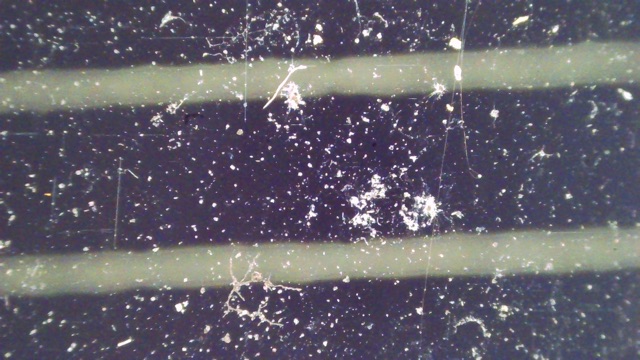
Snow-Impacted Soiling
Fungal growth can be partially removed in regions with annual snow. As snow slides off, it often damages the panel surface, as evidenced by vertical scratches.
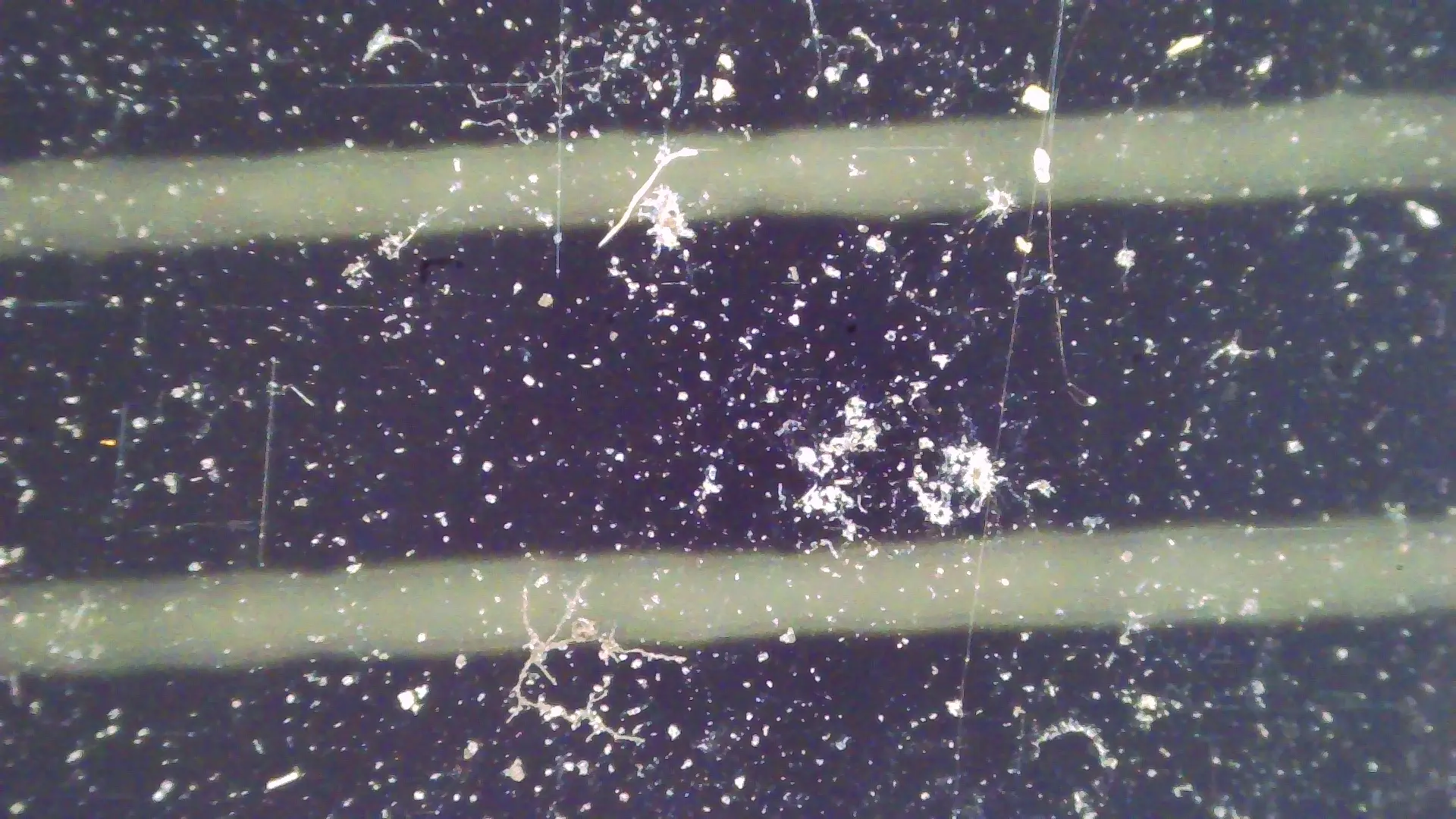
Microscope image of soiling on a site in Minnesota. - 6
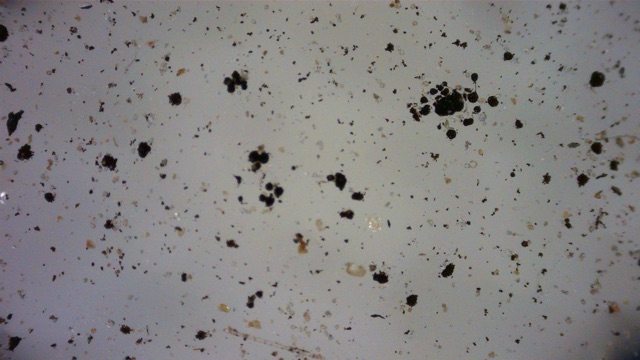
Hybrid Soiling
Some sites experience prolonged dry periods and dust accumulation but have enough humidity for biological growth. The cleaning strategy relies on accurately modeling both phenomena.
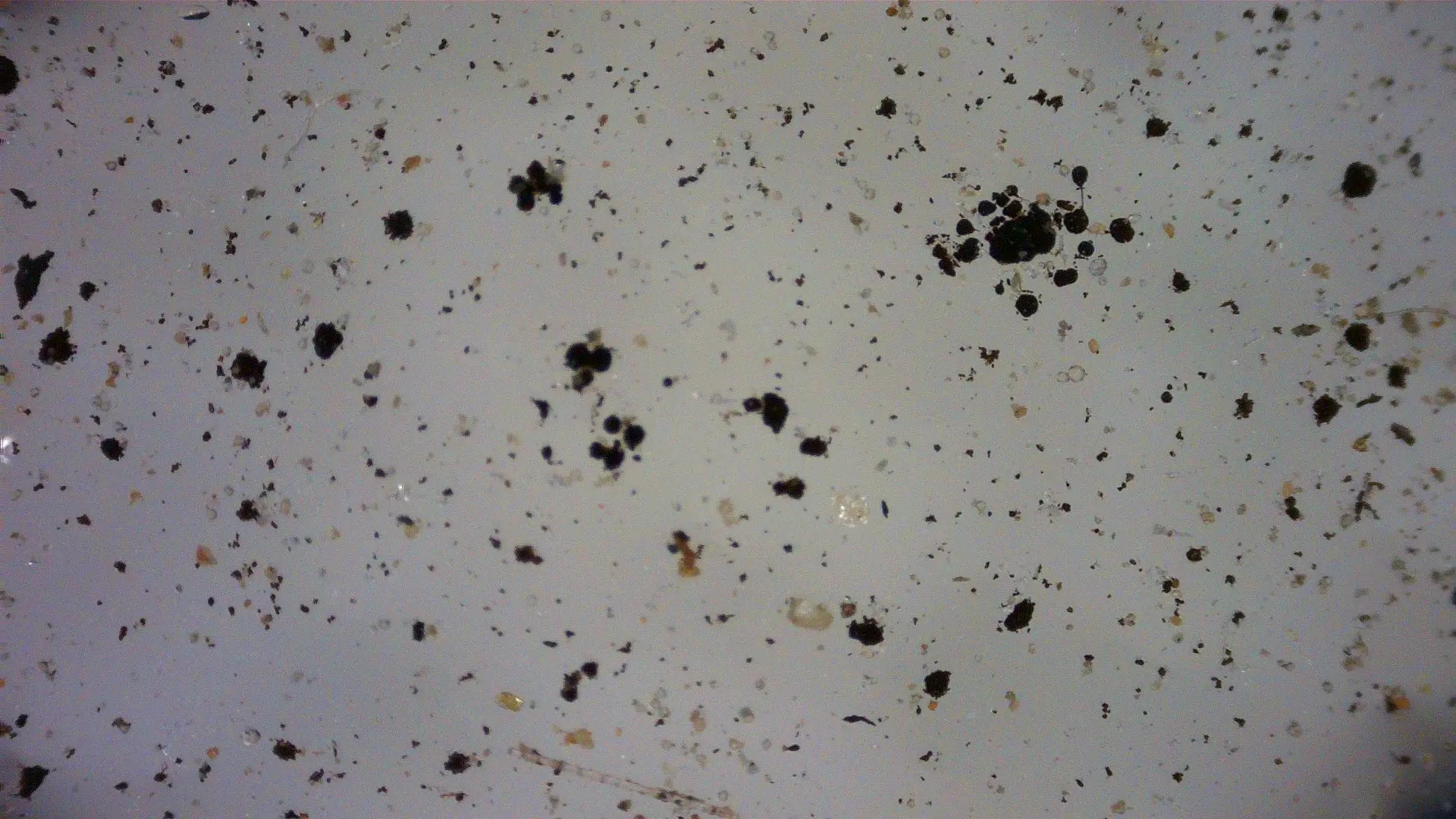
Microscope image of hybrid soiling (dust particles and fungal soiling) on a site in Sacramento, California.

Make proactive cleaning decisions across a portfolio
Replace site-by-site guesswork with one view of priorities, timing, and spend.
Prioritize
Know where to spend first
We factor in payback period, projected soiling losses, whether a site is overdue for a cleaning, and the frequency of optimized cleanings to create a normalized priority score.
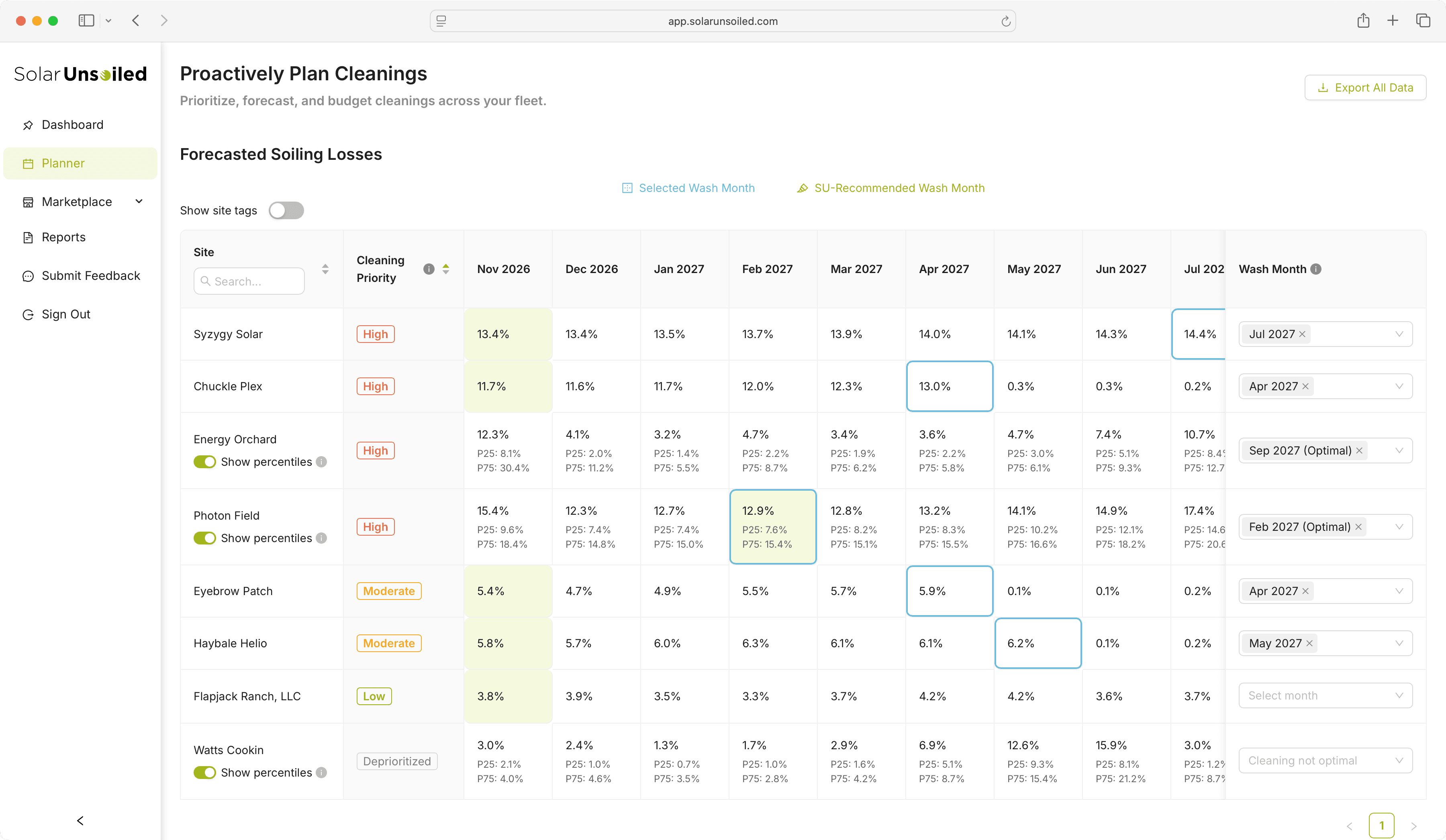
Priority score column, normalized across the fleet. Schedule
Build a schedule that works for you
We start every site on its optimized cleaning schedule and let you shift cleanings between months to group nearby sites or move high-priority sites earlier.
Wash month per site. Change one and the soiling forecasts update. Budget
Plan cleaning spend ahead of time
We total the cost of your selected cleanings and break it down by quarter, so you can set your annual budgets.
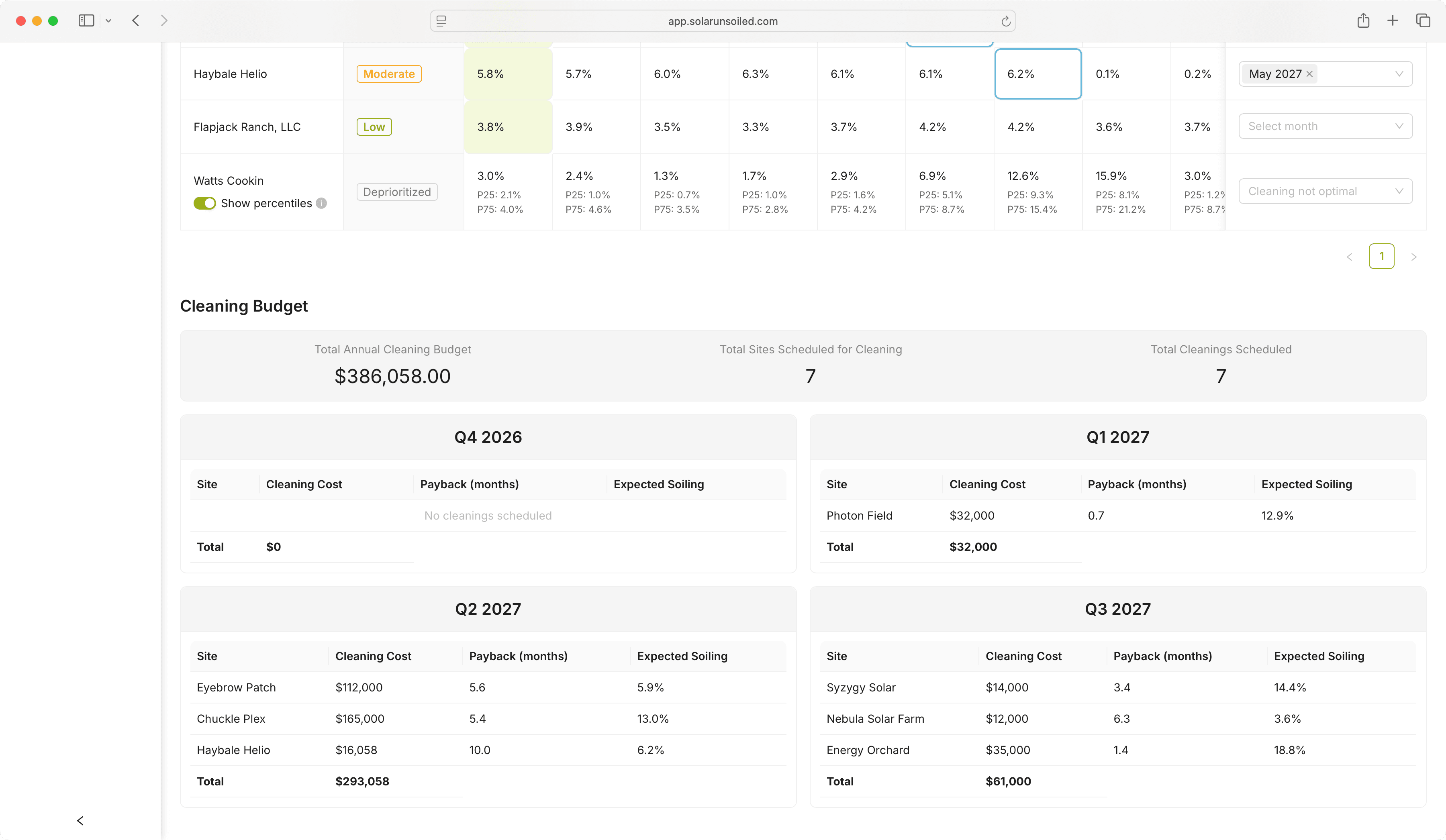
Budget by quarter for the selected schedule. Forecast
Refine revenue projections
We recalculate each site's forecasted soiling losses for the schedule you chose, ready to feed into your energy generation models.
Forecasted monthly losses with the chosen cleanings applied.